
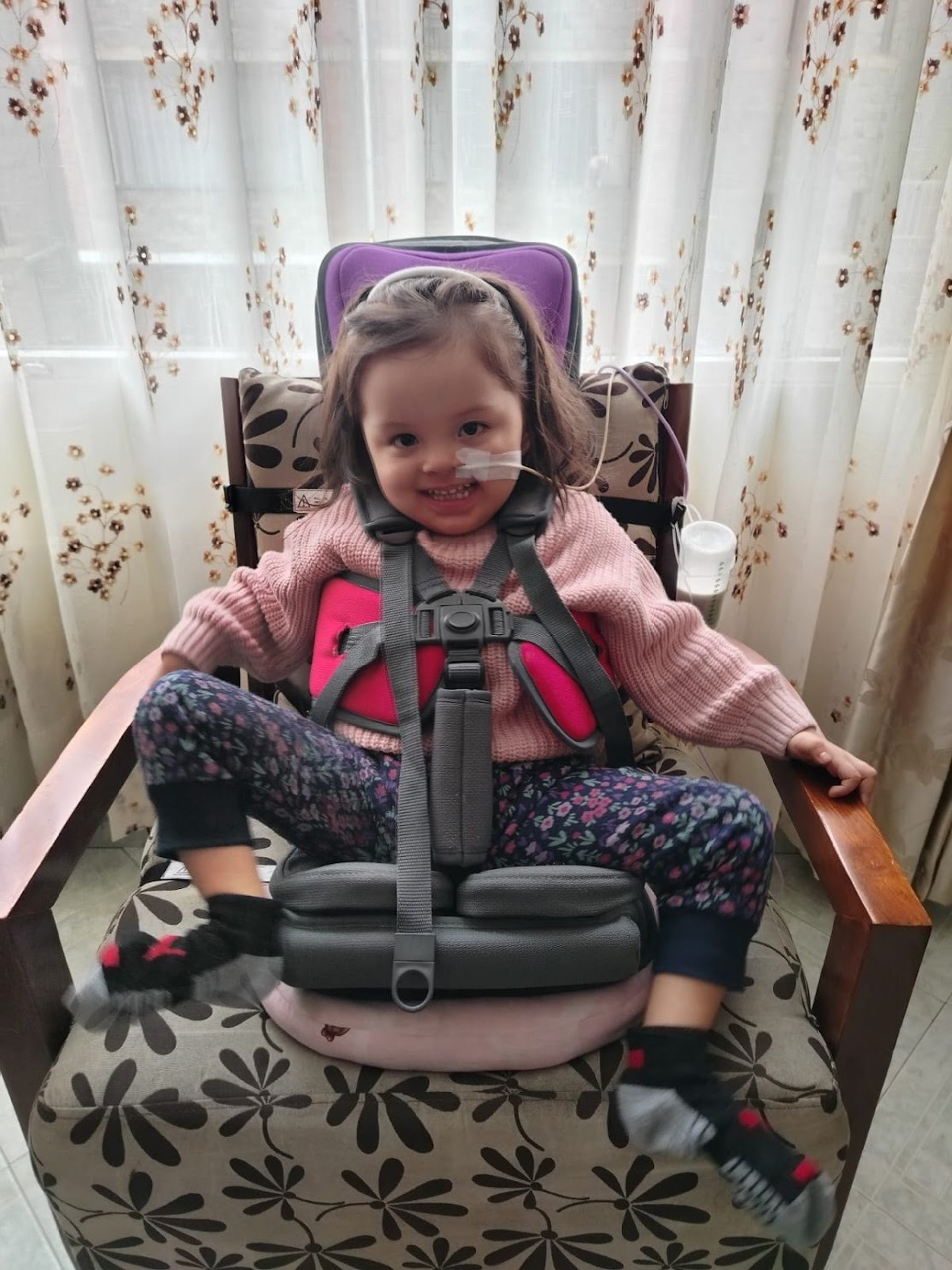
Day by Day
What daily life truly looks like behind the scenes of her condition
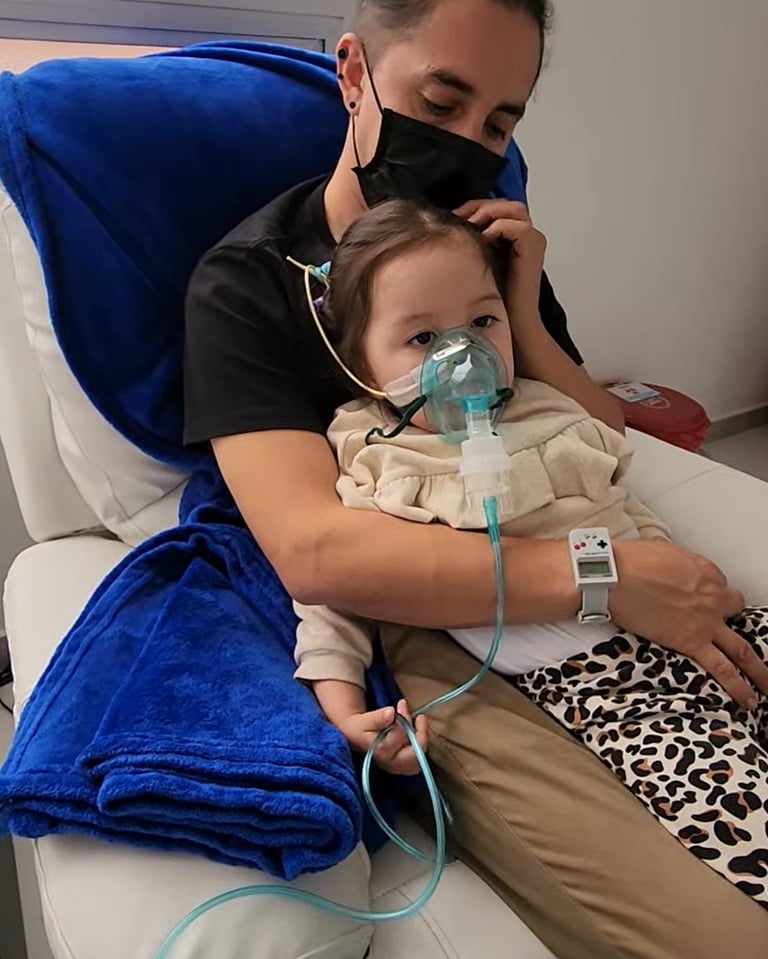
A Day in the Life With Antonella
Life with Antonella is beautiful, but it is also a kind of strength that most people never see.
Antonella’s conditions shape every hour of the day. Propionic acidemia means her body cannot break down protein safely. A small mistake, too much protein, a cold, or a stressful moment can trigger a metabolic crisis. Cerebral palsy adds another layer: her muscles fight against her, making movement difficult and sometimes painful.
Because she cannot eat by mouth, every feed is a medical task. Because she cannot speak, you learn to read her eyes, her breathing, the tiny changes in her face. Because she cannot move independently, you become her arms, her legs, her voice, her safety.
This is not occasional care. It is 24 hours a day, 7 days a week, without pause.
While other parents rush to work or school drop‑offs, your day revolves around therapies, hospital appointments, and constant monitoring. You carry emergency supplies everywhere, medications, syringes, and feeding equipment because you never know when her body might shift into crisis.
You’ve learned to live in a state of readiness.
A slight fever could mean hospital.
A missed feed could mean dangerous ammonia levels.
A stressful moment could trigger dystonia or pain.
There is no “we’ll deal with it later.” Everything is now.
Adapting Our Entire Life
Before Antonella, we had jobs, routines, and dreams that fit into a normal world. After her diagnosis, everything changed. You didn’t just adjust, you rebuilt your lives from the ground up.
When she was born, her mum had to give up her full‑time job and her professional career for three years because Antonella couldn’t attend childcare. It was too risky for her health, and her first years were marked by constant hospital admissions. Her dad also had a full‑time job, but as Antonella grew, caring for her became physically demanding, lifting her, bathing her, carrying her, and mum could no longer manage it alone. Dad began taking frequent time off to attend hospital visits, and eventually lost his job during those early years because of the constant permissions he needed just to be present for her, even though the company framed it as his role “no longer being necessary.”
As Antonella’s needs increased, even traditional work became impossible. Because she requires full‑time care, lifting, feeding, positioning, monitoring, and comforting tasks that never stop, both parents can no longer work full‑time. Life shifted into a rhythm that most families never experience: one parent working during the day, the other working through the night, both in casual, flexible jobs chosen not for career growth, but for survival roles that allow you to attend therapies, hospital appointments, emergencies, and the unpredictable moments that define her condition.
Careers were paused, dreams postponed, and long‑term plans reshaped. Your home became a therapy room, a hospital, a safe space, and a battlefield against exhaustion. And through it all, you keep going not because it’s easy, but because she is your world, and every sacrifice is made with love.
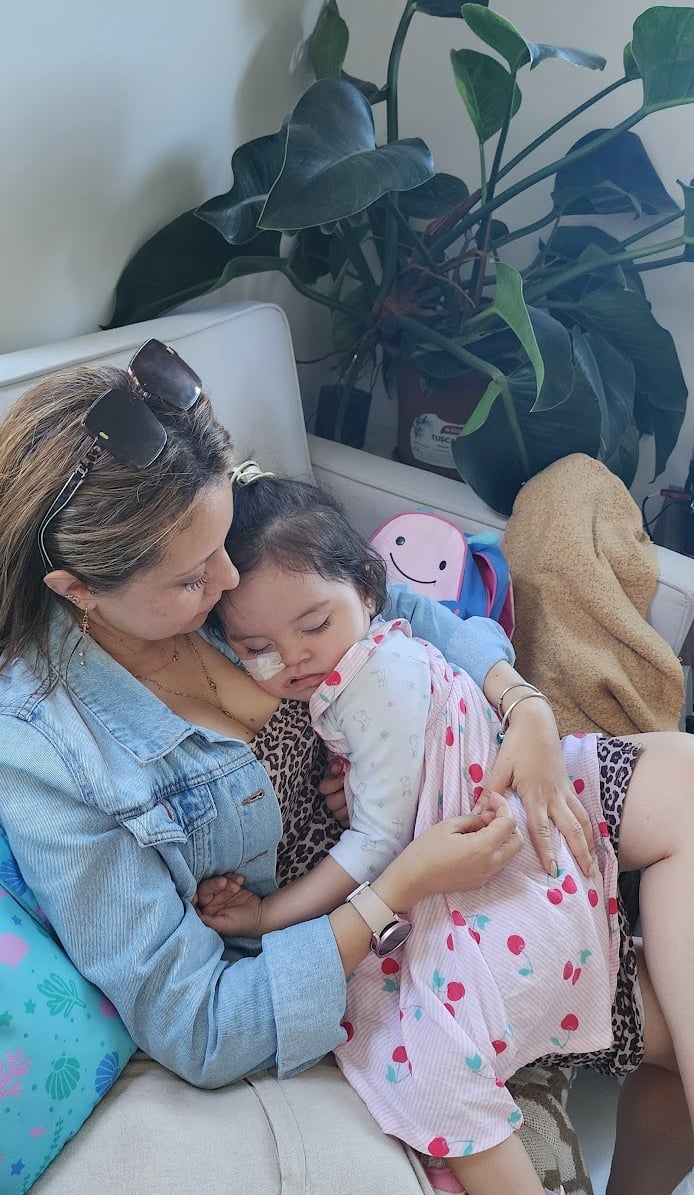
Into The Theraphies and School
No matter what day of the week it is, the morning starts with her bath. It’s not a quick task; it’s a full routine that takes effort from start to finish. We lift her carefully into the bath, supporting her head, her back, her legs. We wash her slowly, making sure her muscles stay relaxed. After the bath, we dry her, moisturize her skin, and begin the long process of dressing her, guiding her arms and legs through clothing, adjusting her supports, and preparing her feeding and medications.
Monday & Tuesday | ECDP School
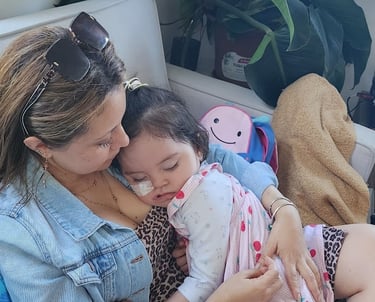
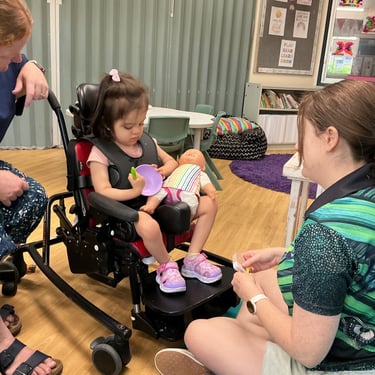
These are the days when we prepare her for ECDP School. Her bag is packed with everything she needs: her medicines, her food and feeding supplies, spare clothes, therapy notes, and comfort items. Once everything is ready, we drive her to school. Because she doesn’t tolerate sitting in her pram for long, we often carry her using a baby carrier. It’s physically demanding, but it keeps her close and comfortable as we walk her into the classroom.
Wednesday | Physiotherapy & Speech Therapy
Wednesdays are the hardest day of the week for Antonella. After her morning routine, we drive to the therapy centre. Getting her out of the car means lifting her carefully into the baby carrier again, holding her close as we walk inside. By the time we reach the physio room, we’re already tired, but the real work is just beginning.
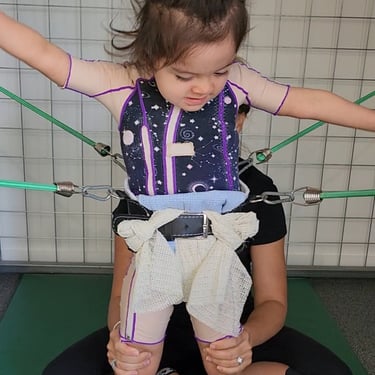
Physiotherapy is intense. Her therapist uses her hands to guide Antonella’s movements, helping her shift her weight, stretch her muscles, and attempt positions that her body doesn’t naturally fall into. Patience is everything. Some days she cries, some days she resists, some days she surprises us. The therapist uses different tools and equipment to help her sit, stand, and strengthen her posture: wedges, benches, supports, standing frames, and soft blocks that hold her in place while she works. It’s the therapy that demands the most from her.
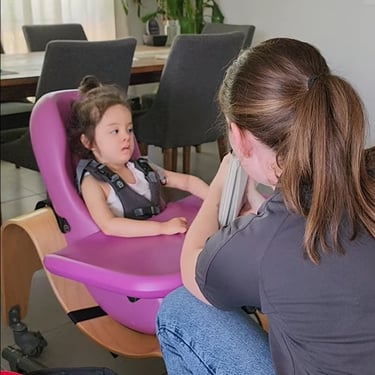
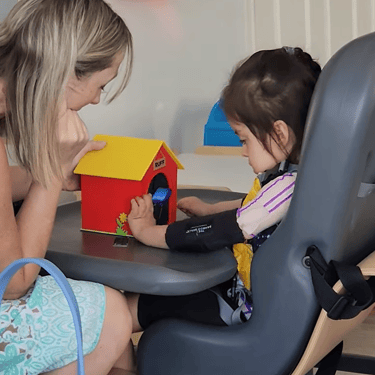
After physio, we move to speech therapy. These sessions are quieter but deeply meaningful. The therapist uses sign systems, songs, and playful interactions to help Antonella communicate. They use yes/no buttons, encouraging her to press the one she wants, to make choices, and to express herself in any way she can. Sometimes Antonella responds with her eyes, sometimes with a sound, sometimes with a tiny movement, and every small response is celebrated.
Thursday | Occupational Therapy
Thursdays focus on her hands, coordination, and sensory engagement. We help her explore textures, tools, and activities that build independence. It’s slow, patient work, and some days she’s tired before we even begin, but every small improvement matters.
Friday | Home Therapies
Fridays are our turn to be the therapists. After her morning routine, we stretch her muscles, practice her movements, work on communication, and help her engage with activities that support her development. It’s a full day of hands-on care, and by the end of it, we’re exhausted but proud.
Weekends | Our Time to Breath
Weekends are our chance to step out of the routine and just be a family. No appointments. No rushing. No schedules. We take her for walks, go swimming, or visit the beach. These moments are precious, seeing her relax, feel the breeze, hear the waves, or float in the water. They remind us that her life is not only therapies and routines. She deserves joy, and so do we.
Every bath, every lift, every therapy session, every school drop-off, it all takes effort. Physical effort. Emotional effort. Time. energy. patience. love. Our entire week is built around her needs, and we adapt constantly. But through the exhaustion, there is purpose. Through the challenges, there is hope. Through the routine, there is a little girl who depends on us and who teaches us strength every single day, without even counting the medical appointments or the unexpected hospital admissions that can turn our world upside down at any moment.